Opinions
DISC Show and Tell 2025: When digitalisation outpaces the industry
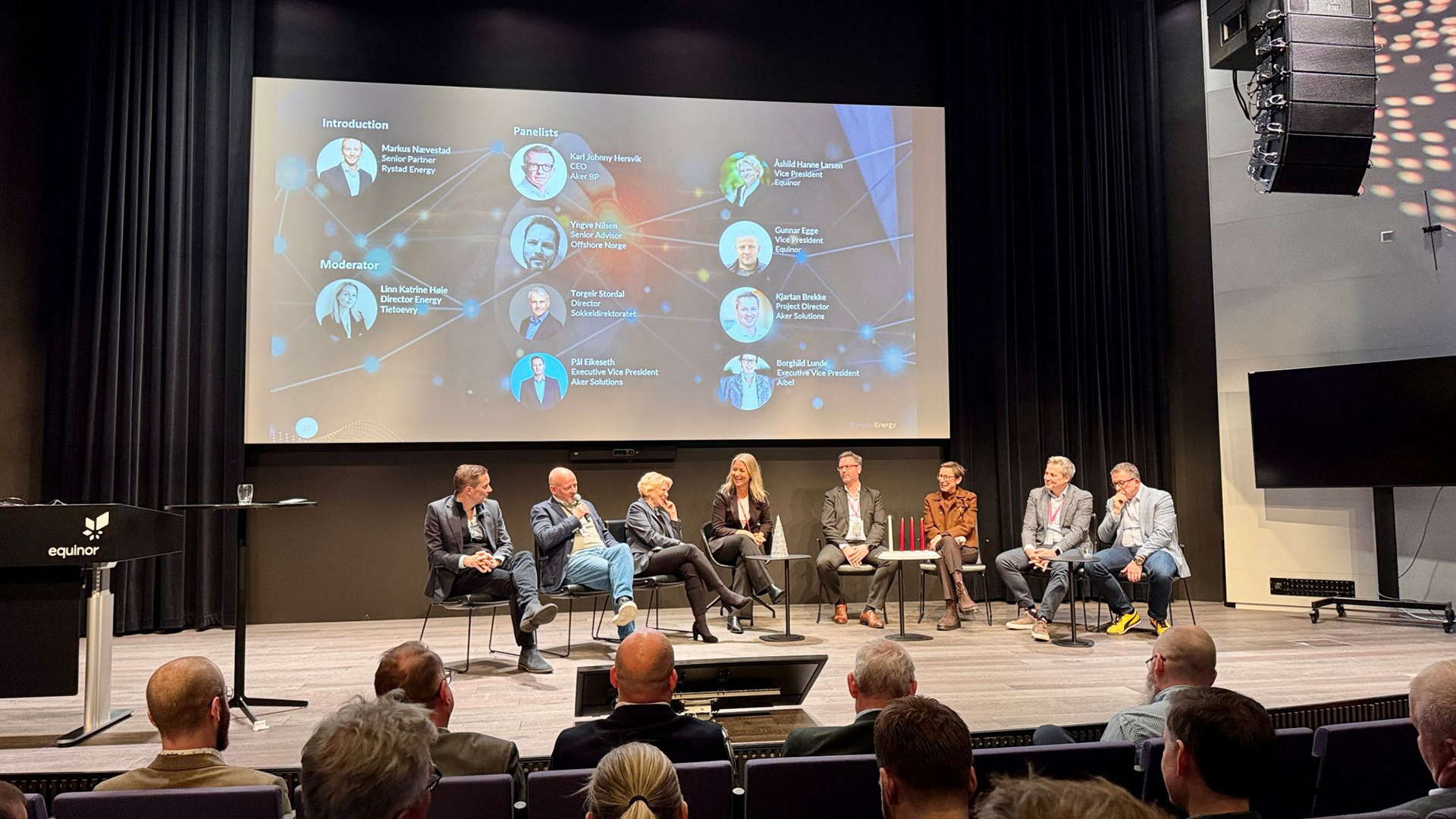

DISC Show & Tell 2025 showed how far technology has come, and at the same time how complex the organizations around it still are. AI-assisted data tagging, clickable drawings, structured models, and automated document flows are no longer just concepts — they exist, and they work. Yet operators still request Excel. Columns and tables. Formats that resemble the working methods they know. That says a lot about where the energy industry actually finds itself right now.
The technology is mature, the organizations are not
The vendors at DISC delivered strong presentations. They showed solutions that are ready for a more data-driven and automated everyday reality. But operators exist in a different reality. They need to make today's work function. They work in systems that have been established over time, and processes that cannot be changed overnight. That is why they seek tools that feel familiar and manageable, even as the technology around them has taken great strides.
This creates a clear dividing line: the potential is great, but the pace is set by everyday reality, not by demos.
The ambitions exist, but the infrastructure lags behind
The conference highlighted an industry with a strong desire for standardization, shared data models, and more seamless collaboration. AAS, EqHub, and API-driven processes point in the right direction. At the same time, data still resides in PDFs and drawings. Standards are under development, but not yet fully adopted. Work processes vary between operators and vendors, and few want to be the first to make major organizational shifts.
The consequence is that several of the most advanced products come across as solutions for a future that is not yet evenly distributed.
The opportunity lies in the gap
DISC made it clear that the industry does not lack technology. It lacks coherence. There are many specialized products that solve one specific need, but few solutions that connect workflows, people, and data across the board. Integrations, structure, and platform thinking therefore become absolutely critical for value to actually be realized in practice.
The industry does not necessarily need more concepts. It needs the solutions that already exist to work together, and to be anchored in actual work processes.
What does this mean going forward?
For us at Seven Peaks, this was the clearest insight from this year's DISC. The energy sector does not only need new technology, but implementation that works in reality. That means building structure before AI. It means understanding the users before the interface. And it means supporting today's working methods while laying the foundation for what is to come.
When we look at everything that was presented, and everything the industry itself highlights, the picture is fairly clear: DISC Show & Tell 2025 showed an industry in transition. Not through revolution, but through gradual maturity. In the space between ambition and reality lies great potential for players who combine technological understanding, industry knowledge, and the ability to create genuine operational value.
That is where we want to contribute.
Related articles