Generative AI in the energy sector: From buzzword to bottom line
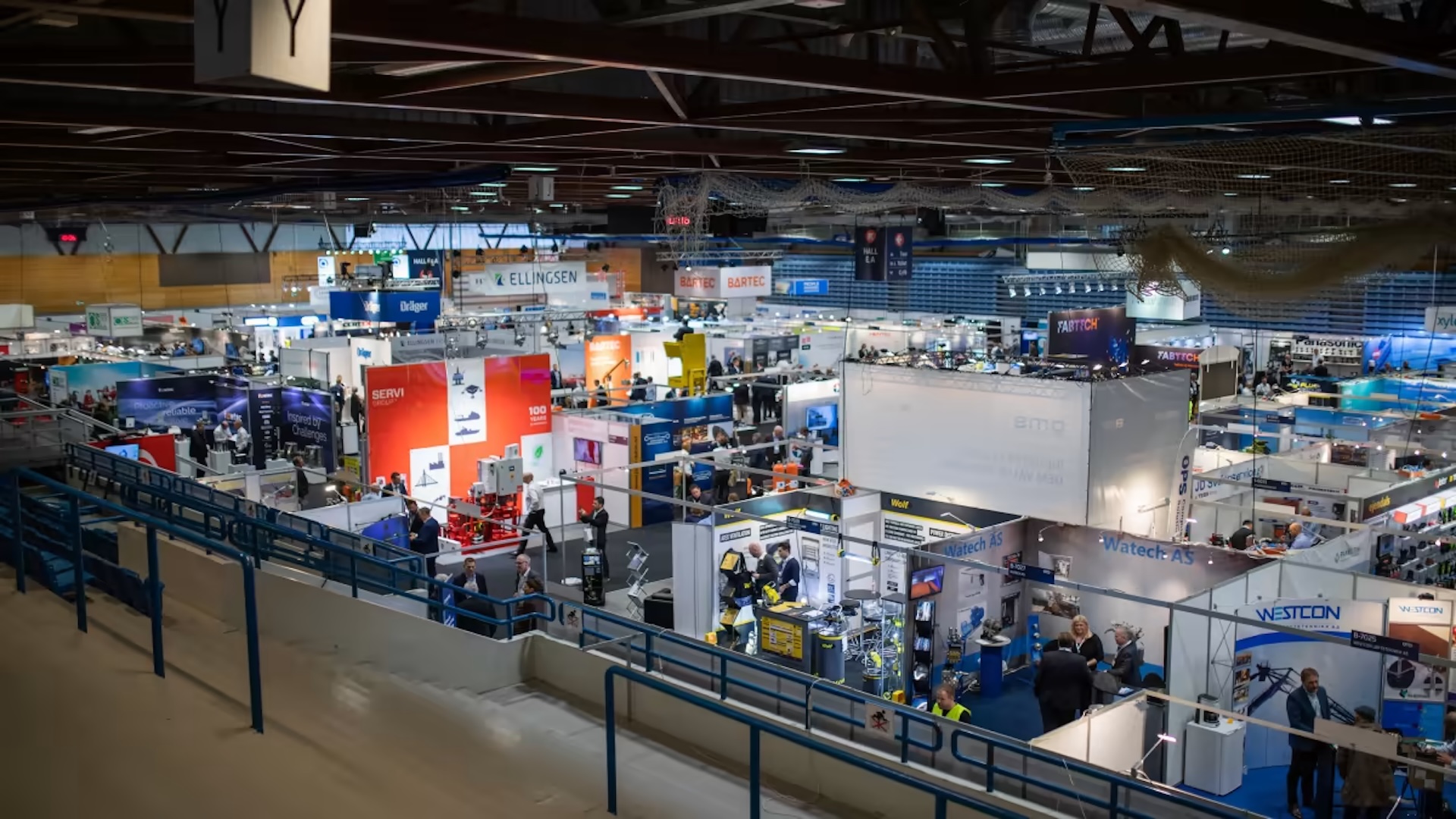
Leading up to OTD Energy in Stavanger on 15–16 October 2025, we are sharing insights from projects and processes that show how technology delivers operational value. The first article, "Our experience from the energy sector," can be found here.
A practical approach for the energy industry
Everyone is talking about artificial intelligence, but in a sector where safety and precision are non-negotiable, the threshold for adopting new technology can feel prohibitive. Generative AI in the energy industry does not require a total overhaul of IT systems. The first value-creating steps can be taken quickly, and with low risk — if you approach them the right way. The deciding variable is almost never the model you choose. It is the context the model is given, and the system that model operates inside.
Context first: the same model fails without it
Research on this is now unambiguous. The same AI model fails on the order of 97% of the time when given only a task description and a few files, and succeeds close to 100% of the time when rich context is available. Context is not a bonus. It is an active production input.
In an energy company, that context already exists inside the organisation:
- Technical manuals and procedures
- HSE documentation
- Historical project reports and lessons learned
- Maintenance logs
- Internal guidelines and governance
The job is not to generate this knowledge. The job is to make it operationally available to the agents and people who will use it. In our model, that layer is called Terrain, and the continuous profile of what an organisation actually knows — public facts plus internal reality — is its Customer DNA. The goal is not a massive data warehouse overnight. It is a curated, trusted context surface the model can actually read from.
Start small: one assistant, one bottleneck
The most effective starting point for generative AI is almost never an ambitious, externally facing product. It is an internal assistant that solves a concrete bottleneck. An engineer should be able to ask "what is the procedure for replacing valve X on compressor Y according to the latest maintenance manual?" and get a precise answer with a reference to the source document. Not generic text pulled from the internet — answers grounded in the company's own procedures, goals, and experience.
Three things fall out of this almost immediately:
- Information flow collapses from hours to seconds.
- Safety goes up, because answers are grounded in approved, up-to-date sources.
- Critical knowledge is democratised, rather than locked in the heads of a few experts.
That single pilot is enough to validate the approach in a controlled environment, demonstrate value across the organisation, and build the internal experience needed to scale.
Built inside a controlled delivery system
Seven Peaks does not train new language models from scratch. We build on market-leading platforms — Azure OpenAI, Amazon Bedrock — and integrate them cleanly into the systems and data a company already runs. What matters is the delivery engine around the model. Humans lead. Agents execute under orchestration. Nothing ships without passing through a safety layer.
That safety layer is where the energy sector's real concerns live. It covers Seven Peaks' own standards (code review, dependency scanning, privacy audit, consistency against the organisation's own context), the customer's specific requirements (industry standards, internal security posture, regulatory obligations including GDPR and the EU AI Act), and a human approval gate on every critical decision. A skill that works 85–90% of the time with a human in the loop can fail 100% of the time in an automated pipeline without one. That asymmetry is not something to design around. It is something to design for.
Generative AI for energy: ready to use today
Generative AI is not the future. It is a tool the industry should be putting to work now. Start small, start internal, and build the context surface the organisation will rely on for everything that comes next. The companies that do this well will not be the ones with the biggest model budgets. They will be the ones that treated context as the deciding variable, and delivery discipline as non-negotiable.
Meet us at OTD Energy Stavanger 2025
If you are at OTD Energy in Stavanger on 15–16 October 2025, come find us. We are happy to talk through what an internal AI assistant could look like for your operation — and how to make AI part of the bottom line, not just the buzzword reel.